
Why specify hydrodemolition?
Concrete removal is not just about removing material — it defines the quality, durability, and safety of the repair. Traditional mechanical methods rely on impact. This introduces vibration, creates microcracks, and risks damaging both the structure and the reinforcement. Hydrodemolition works differently. It removes concrete without impact — preserving structural integrity while preparing the surface for long-lasting repair.

Concrete removal is not just removal
— it defines the quality of the repair.
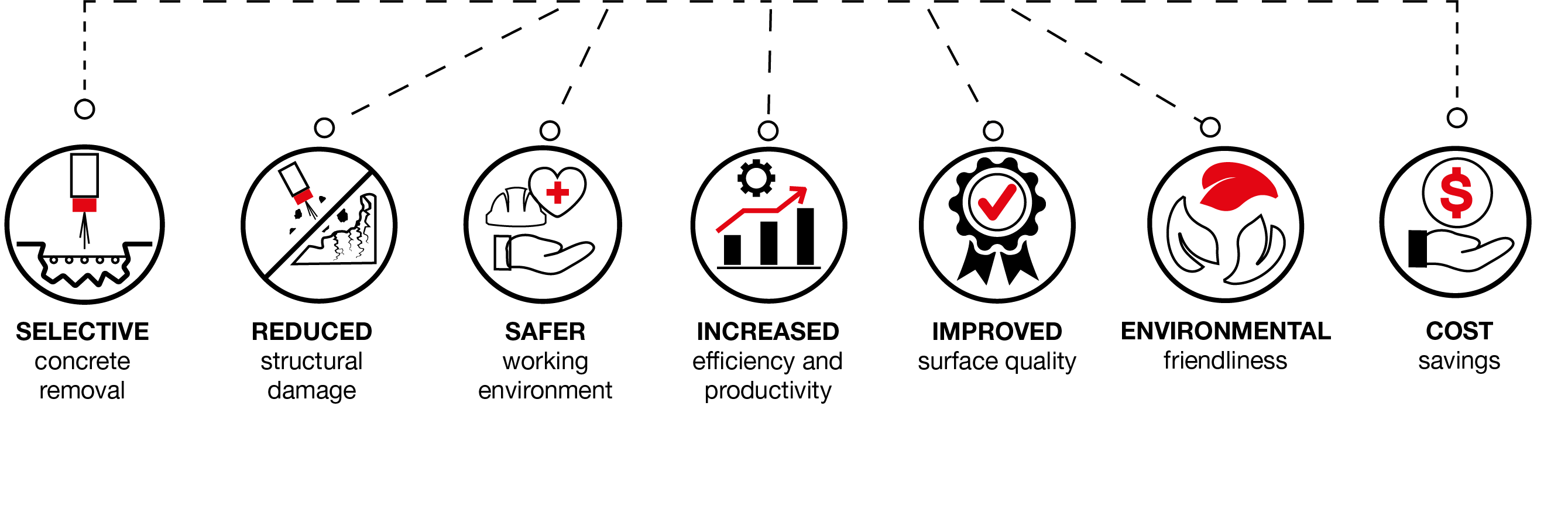
Hydrodemolition advantages
Better removal. Better repair.
-
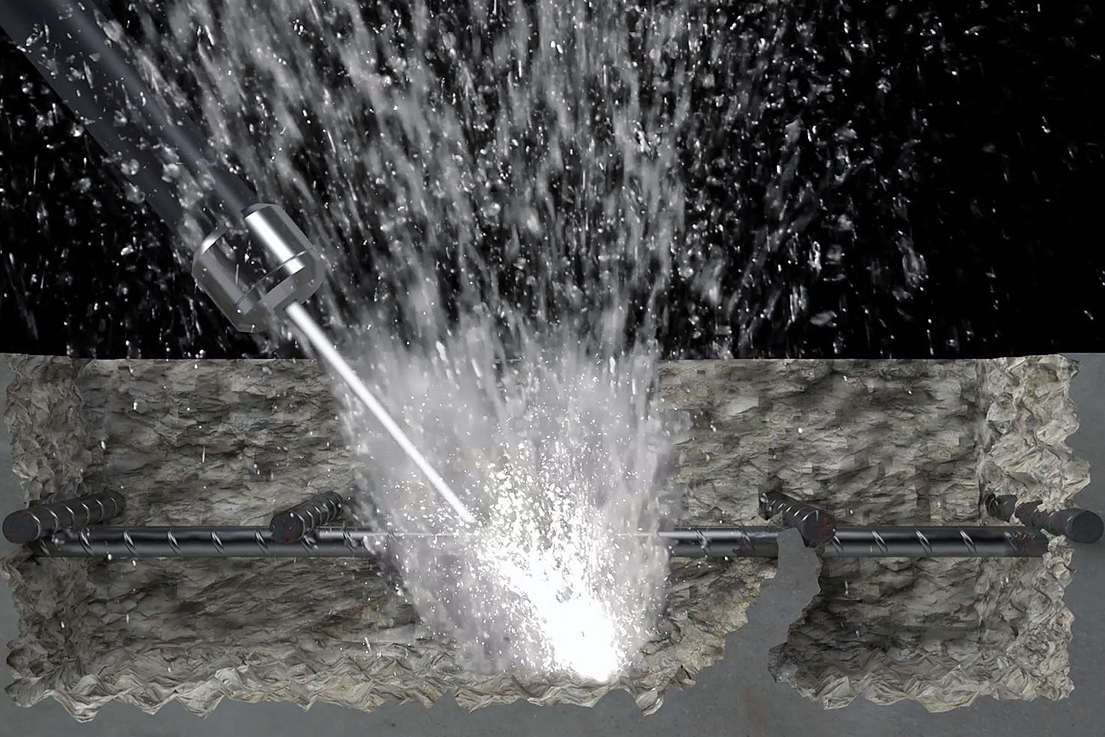
Preserves structural integrity
Hydrodemolition is vibration-free. This eliminates the risk of microcracking and protects the remaining structure.
Hydrodemolition is vibration-free. This eliminates the risk of microcracking and protects the remaining structure.
-
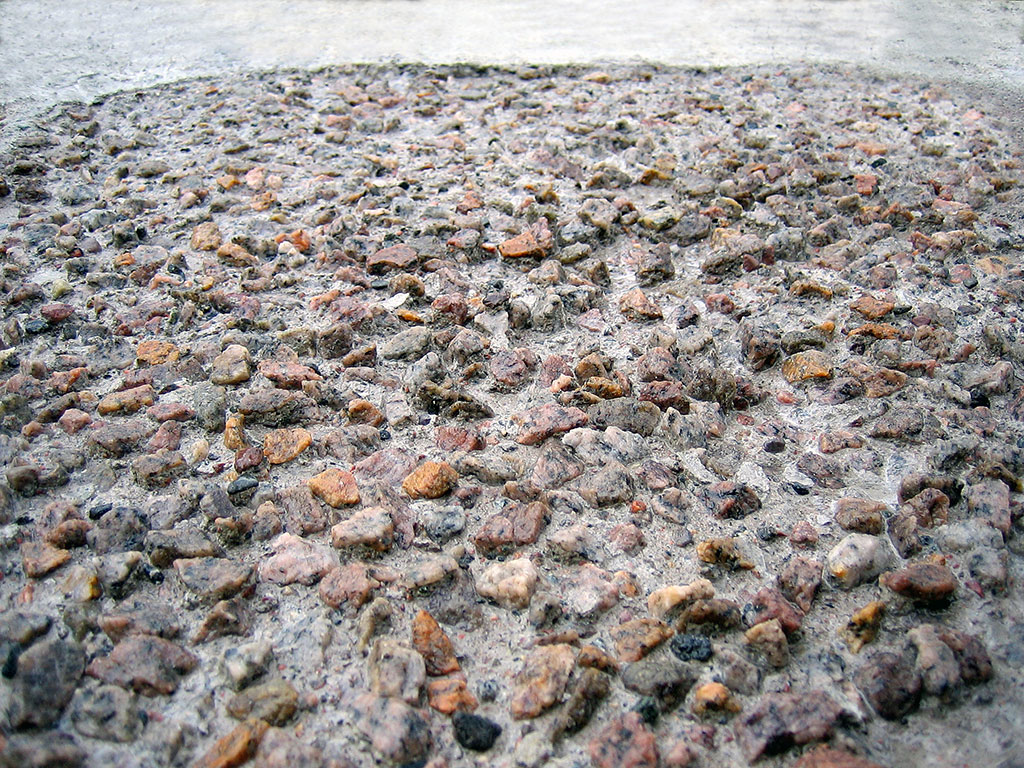
Ensures superior bonding
The process leaves a rough, clean surface — ideal for bonding new concrete or coatings. This improves adhesion and contributes…
The process leaves a rough, clean surface — ideal for bonding new concrete or coatings. This improves adhesion and contributes to longer-lasting repairs.
-
From selective removal to surface preparation
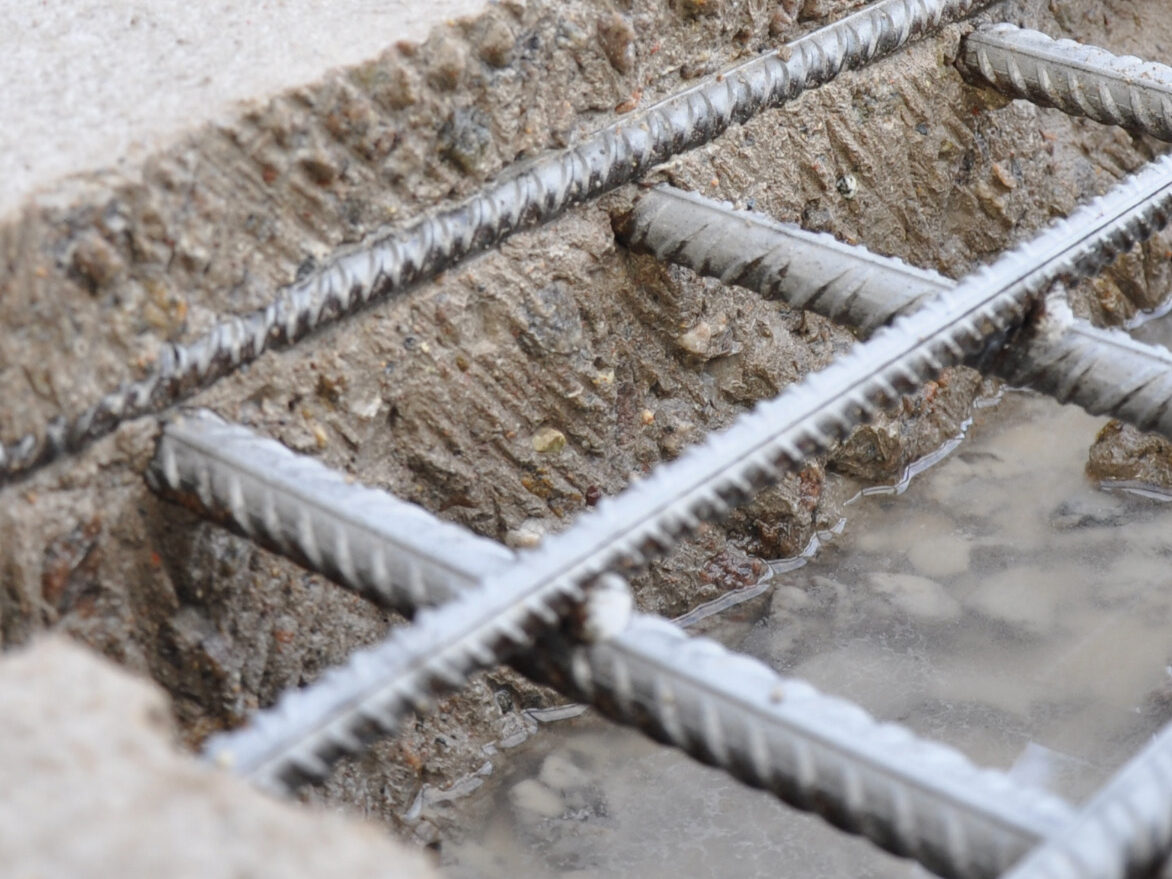
Hydrodemolition is not limited to one type of application — it’s a flexible method defined by pressure and flow.
It…
Hydrodemolition is not limited to one type of application — it’s a flexible method defined by pressure and flow.
It can be used to selectively remove damaged concrete without affecting sound material or reinforcement, or to perform controlled depth removal where precise, even cuts are required. By adjusting the water pressure, the method can also be used for scarifying and roughening surfaces, creating optimal conditions for bonding new concrete or coatings.
Hydrodemolition is equally effective for removing rust, paint, and other contaminants without generating dust or requiring abrasive materials. In industrial environments, it enables cleaning operations to be carried out using safe, robotic solutions instead of hazardous manual work.
By controlling pressure, flow, and lance movement, the method can be adapted to meet the exact needs of each project — from deep concrete removal to precise surface preparation.
-
Aligned with modern repair standards
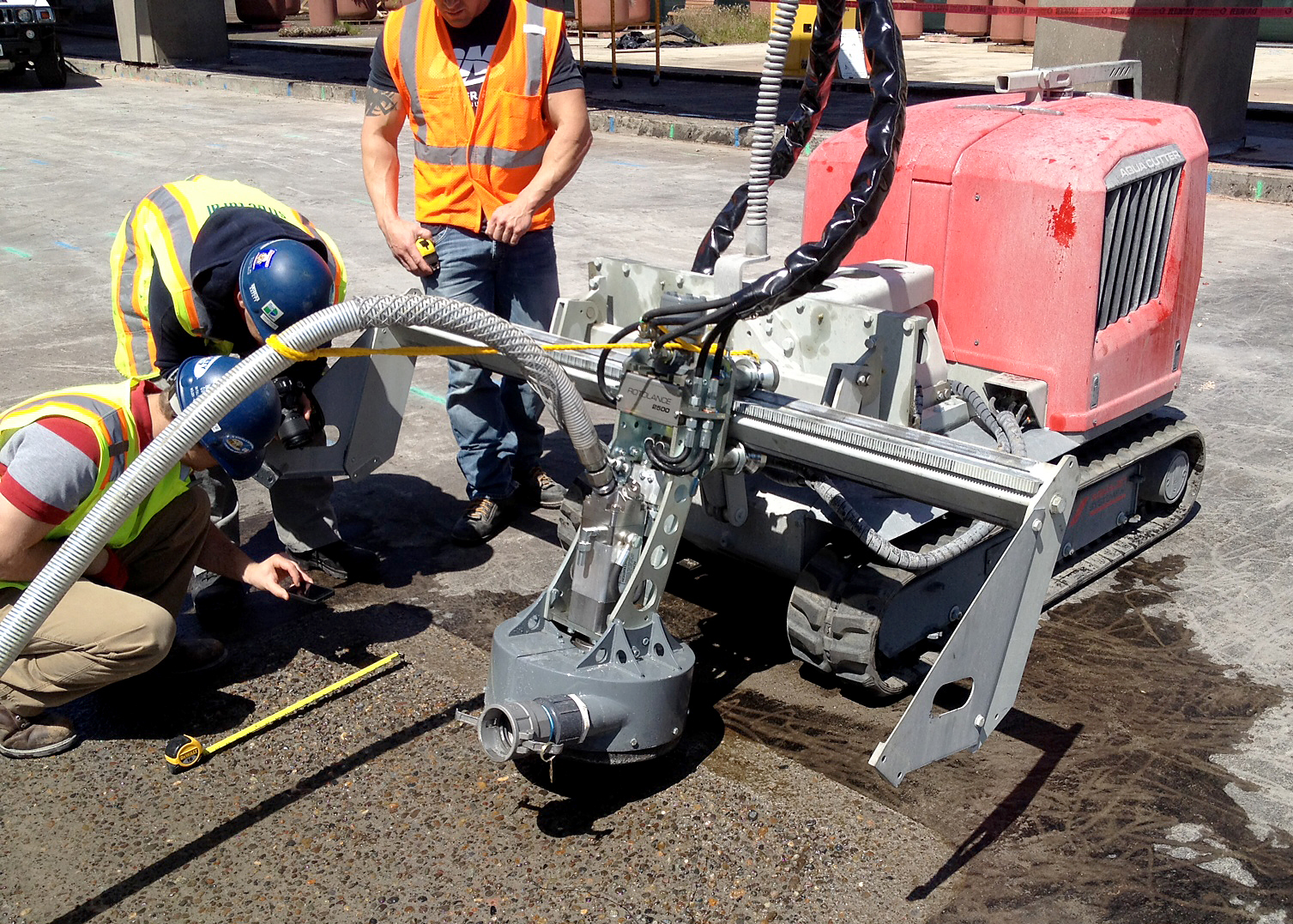
Hydrodemolition supports the requirements of EN 1504 for concrete repair, including proper surface preparation, bond strength, and preservation of structural integrity.
Hydrodemolition supports the requirements of EN 1504 for concrete repair, including proper surface preparation, bond strength, and preservation of structural integrity.
-
Improves safety on site
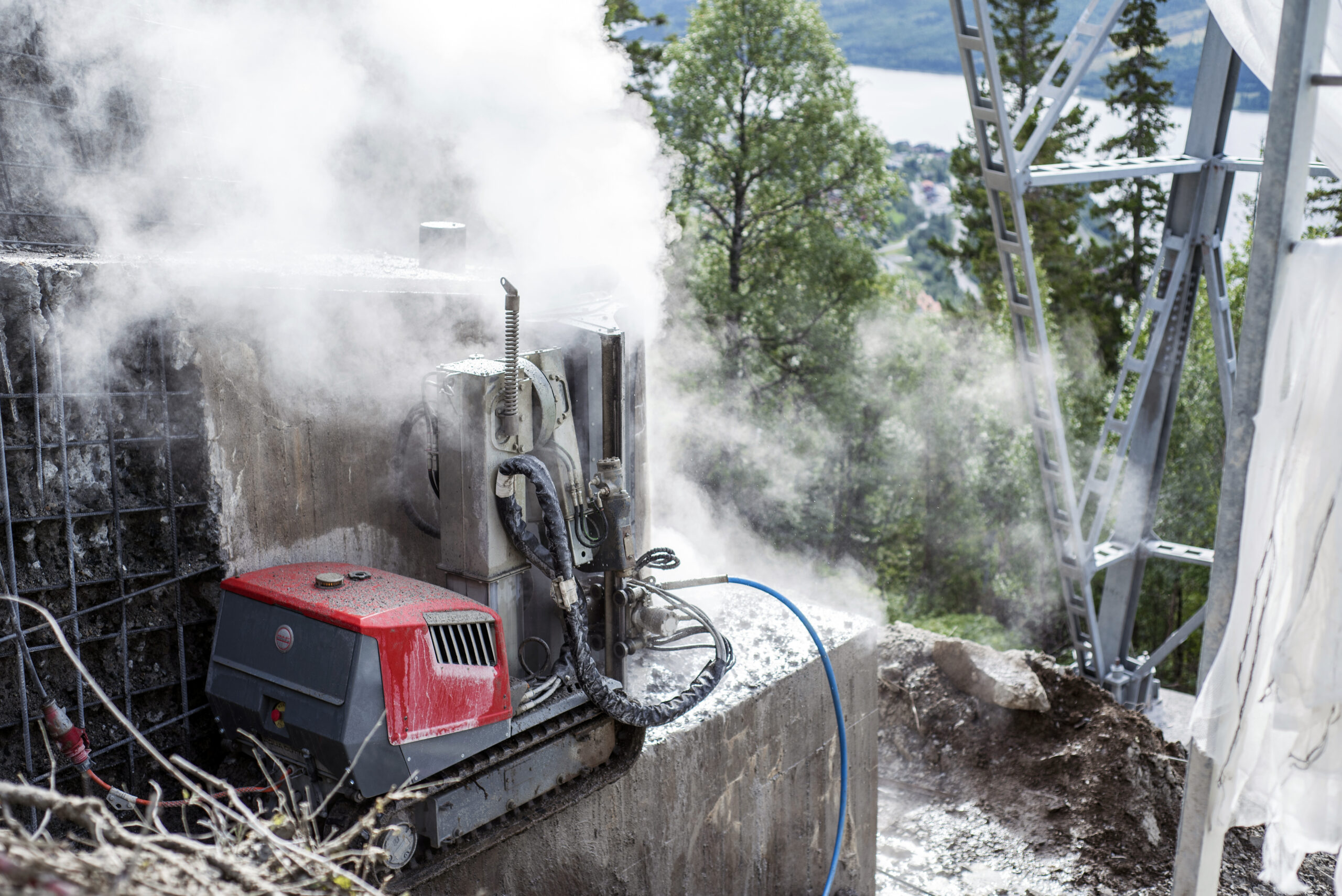
Hydrodemolition improves safety by reducing dust and airborne silica, helping protect operators from respiratory risks such as silicosis. The water-based…
Hydrodemolition improves safety by reducing dust and airborne silica, helping protect operators from respiratory risks such as silicosis. The water-based process breaks down concrete without generating harmful particles, creating a cleaner and safer job site.
Automated and robotic systems enable remote operation, keeping operators at a safe distance from debris and high-risk areas. This reduces the need for manual, labor-intensive work and lowers the risk of on-site injuries.
At the same time, lower noise levels contribute to a better working environment, especially in urban or sensitive areas.
-
Efficiency, productivity and quality
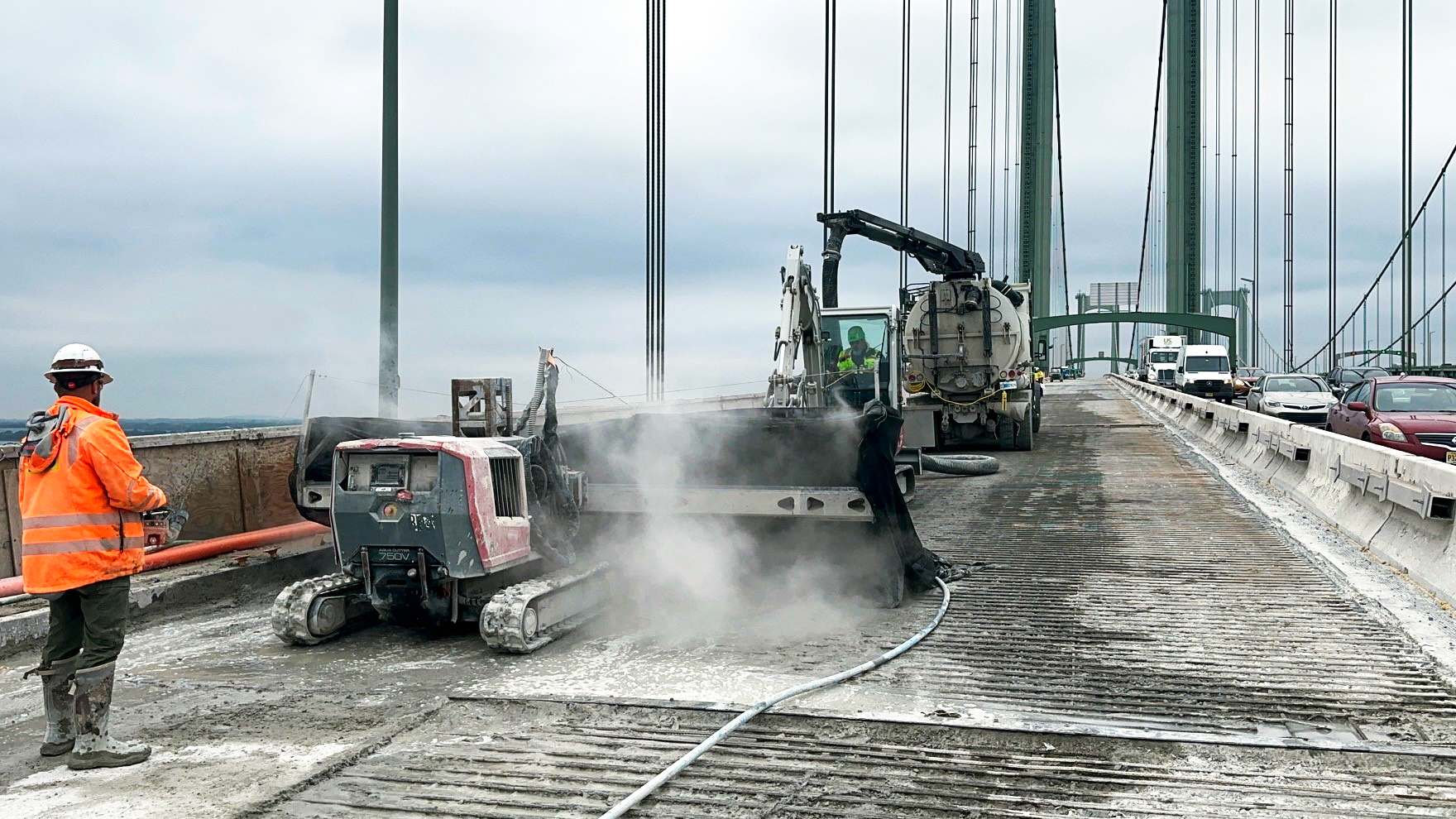
Hydrodemolition combines high productivity with consistent, high-quality results.
Compared to traditional methods such as chipping hammers and handheld water jetting,…
Hydrodemolition combines high productivity with consistent, high-quality results.
Compared to traditional methods such as chipping hammers and handheld water jetting, robotic hydrodemolition reduces labor requirements and minimizes the risk of injury. The automated process ensures continuous operation with consistent speed, performance, and removal quality from start to finish.
The method is particularly efficient for large-scale projects, where high-pressure water quickly covers large areas and reduces overall project time. Remote operation and precise control further improve efficiency while maintaining accuracy.
At the same time, hydrodemolition preserves the integrity of the structure. Unlike mechanical methods that introduce vibration and risk microcracking, the impact-free process removes concrete without damaging surrounding areas — ensuring both quality and long-term performance.
-

A greener method
Water is at the core of hydrodemolition — from supply to treatment and reuse.
Freshwater can be sourced from tanks…
Water is at the core of hydrodemolition — from supply to treatment and reuse.
Freshwater can be sourced from tanks or natural sources, while wastewater is collected and treated on site. With systems like Ecoclear, pH levels are neutralized and suspended solids are reduced, allowing safe discharge or reuse in a closed-loop system.
This enables real-time water treatment, reduces the need for fresh water, and eliminates dependency on third-party handling — supporting a more environmentally responsible and efficient operation.
Hydrodemolition VS mechanical methods
When choosing a removal method, the difference is clear:
Hydrodemolition
- No micro cracking
- No vibration
- Selective removal
- Superior bonding surface
- Good working environment
- No Silica dust
- Limited personnel required
- No damage to the reinforcement
- Cleans the reinforcement from corrosion and concrete
- Longer life span of the repair
Mechanical methods
- Impact-based — creates micro cracks in surrounding concrete
- Risk of structural damage
- Less controlled removal
- Weaker adhesion
- Labor intensive
- Poor working environment
- Dust and silica exposure
- Process related vibrations
-
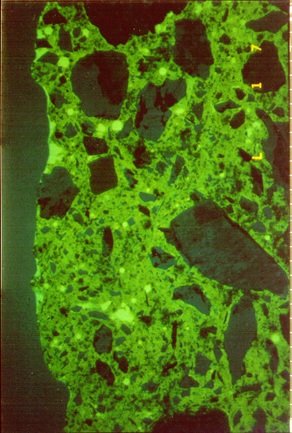
No micro cracks with hydrodemolition
-
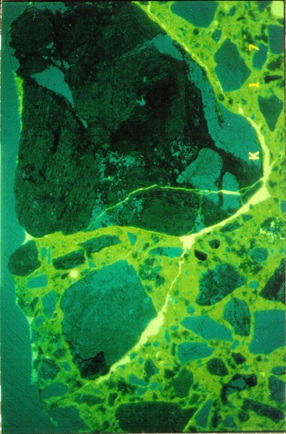
Micro cracks from a jackhammer
When should you specify hydrodemolition?
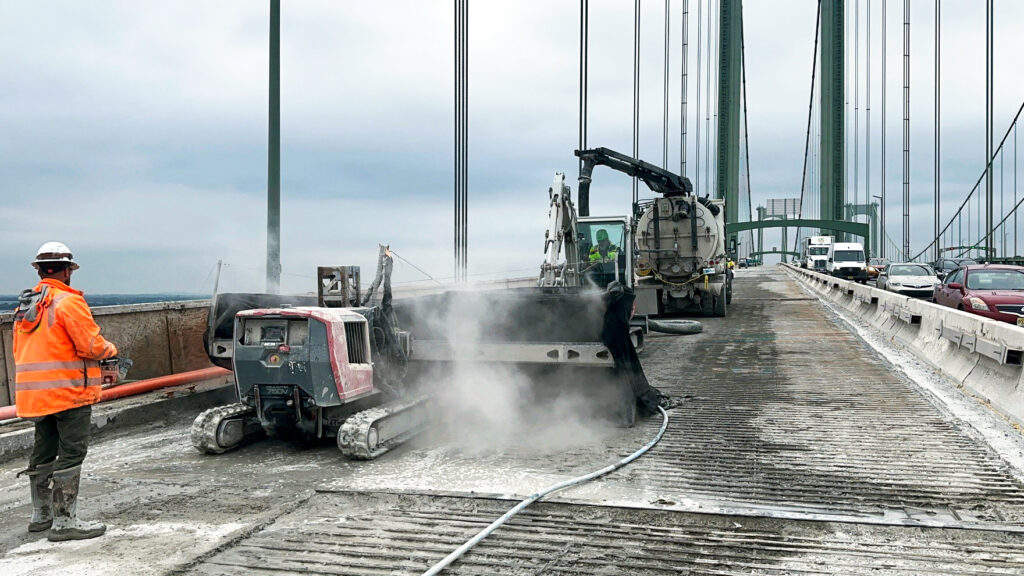
Hydrodemolition is used worldwide across infrastructure, industrial, and complex environments — delivering reliable, high-quality results in demanding conditions.
It is particularly suitable for:
- Structural repairs
- Bridges and infrastructure
- Tunnels and underground structures
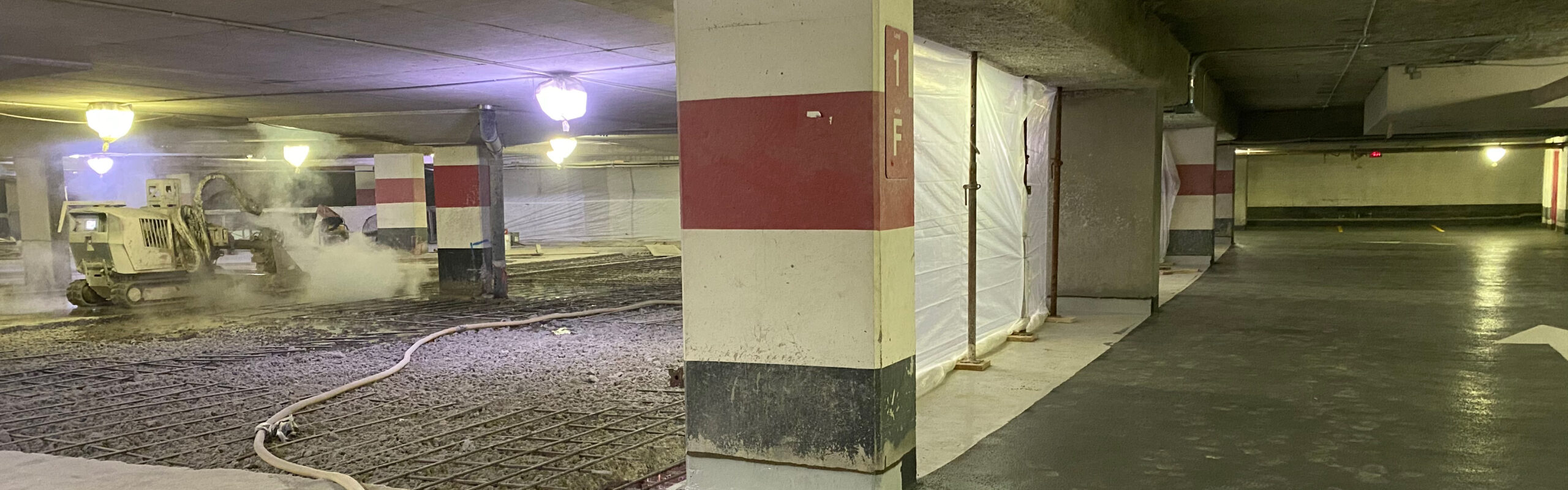
- Parking structures
- Dams and industrial facilities
- Projects where vibration must be avoided
- Applications requiring high bond strength
Performance is a system
The result of hydrodemolition depends on more than the method.
A complete solution includes:
- Hydrodemolition robot
- High-pressure pump
- Water treatment system
Designed to work together for maximum efficiency, control, and reliability.
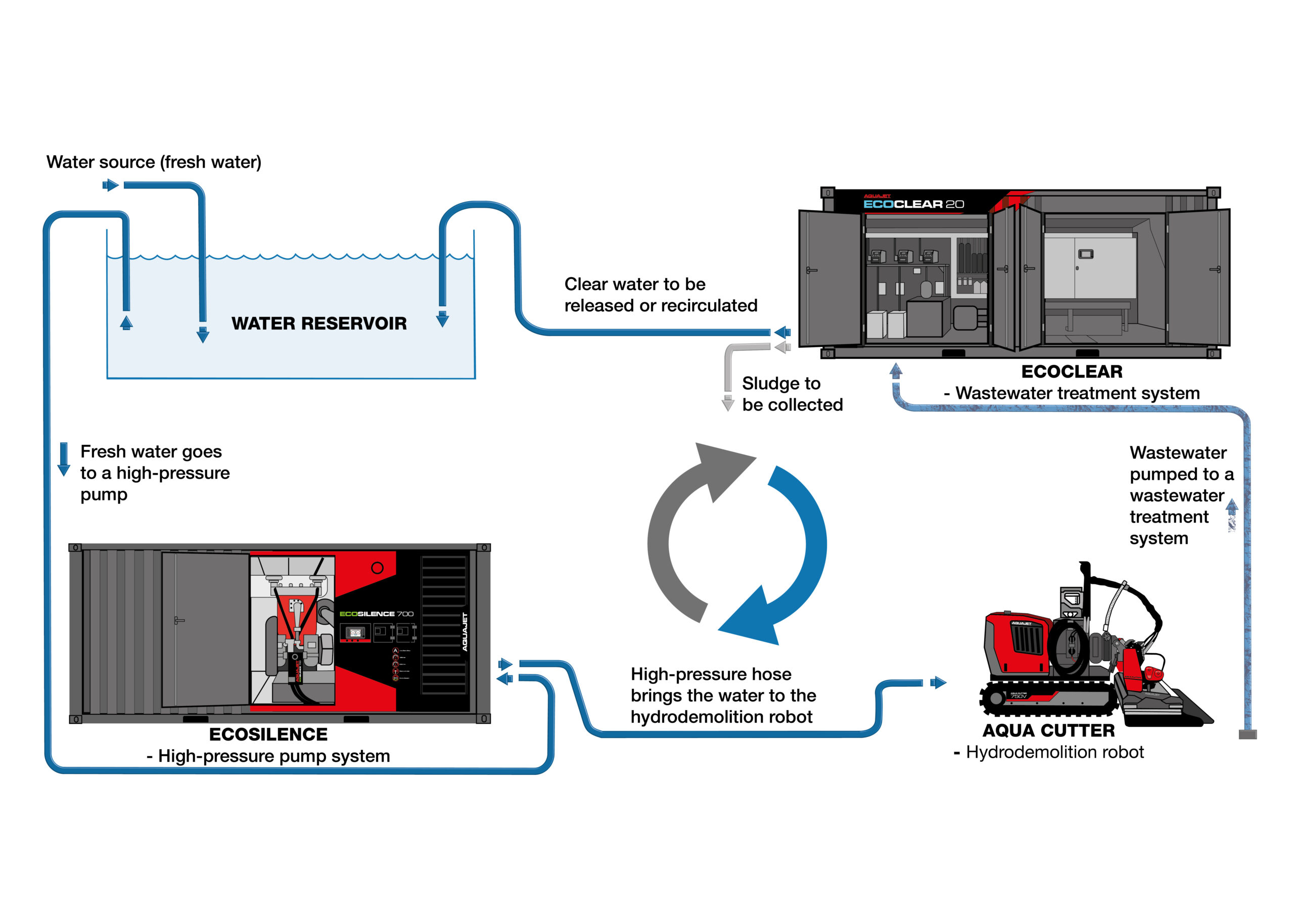
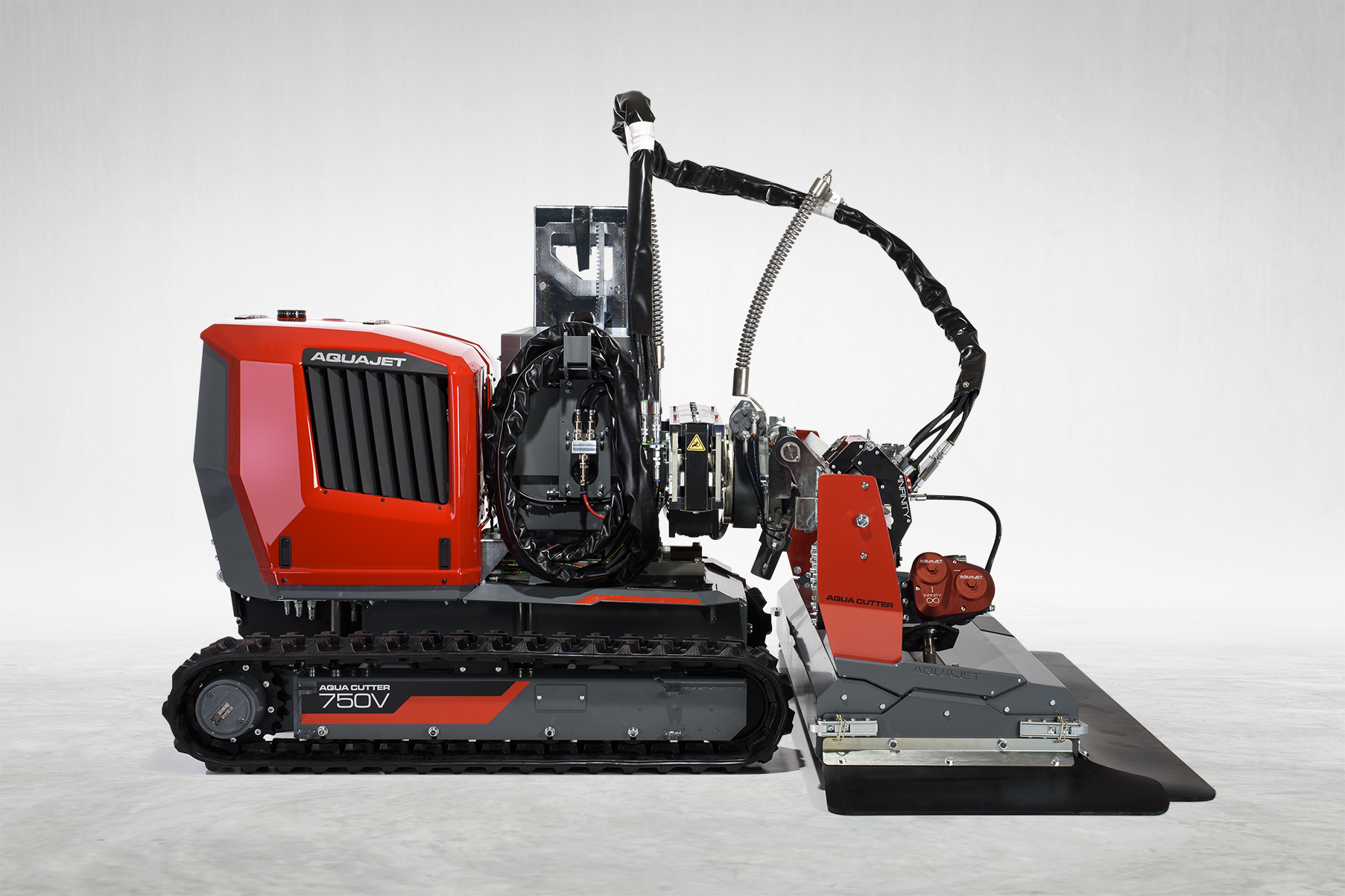
Hydrodemolition robots
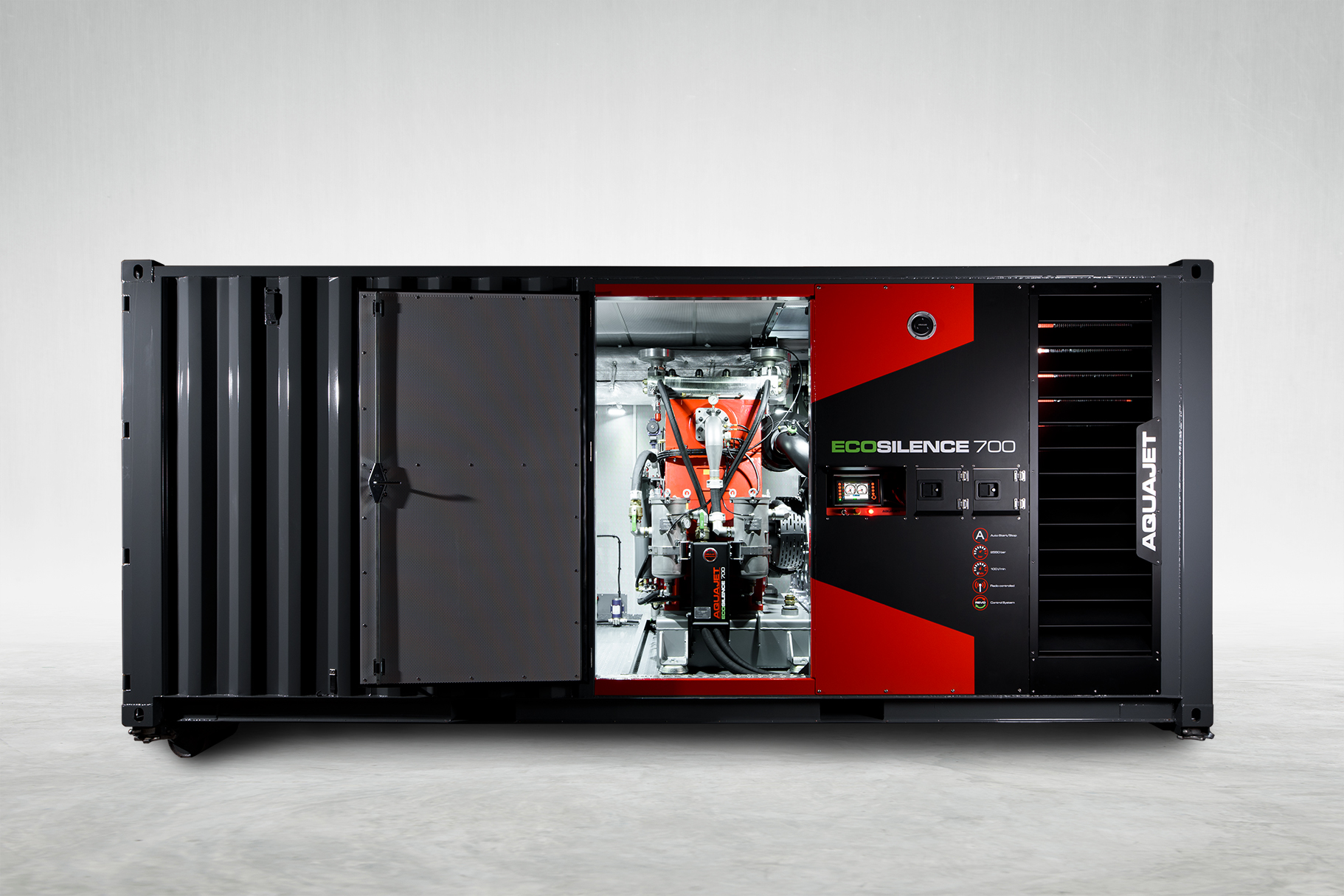
High-pressure pumps
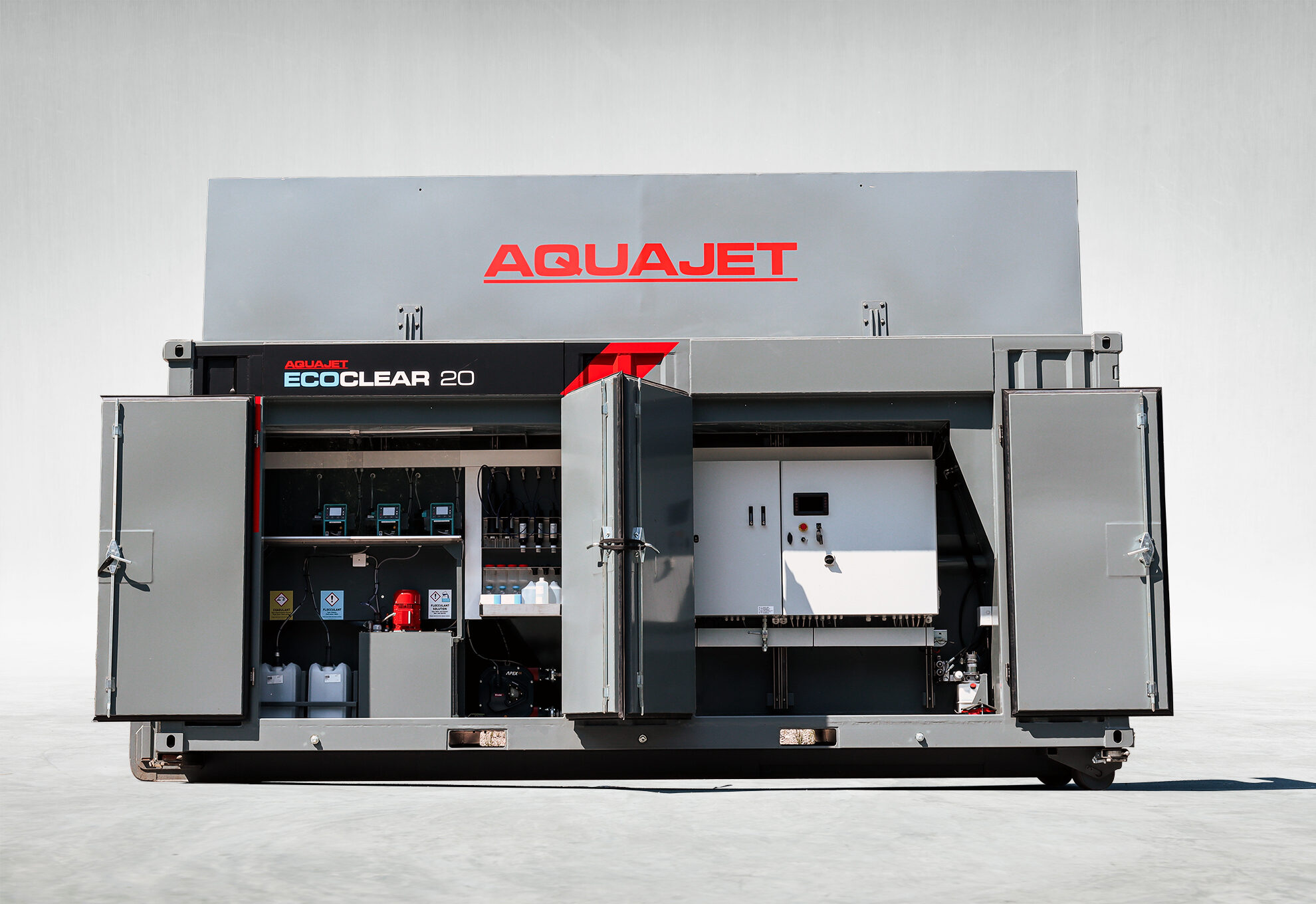
Wastewater treatment system
Specify with confidence
-
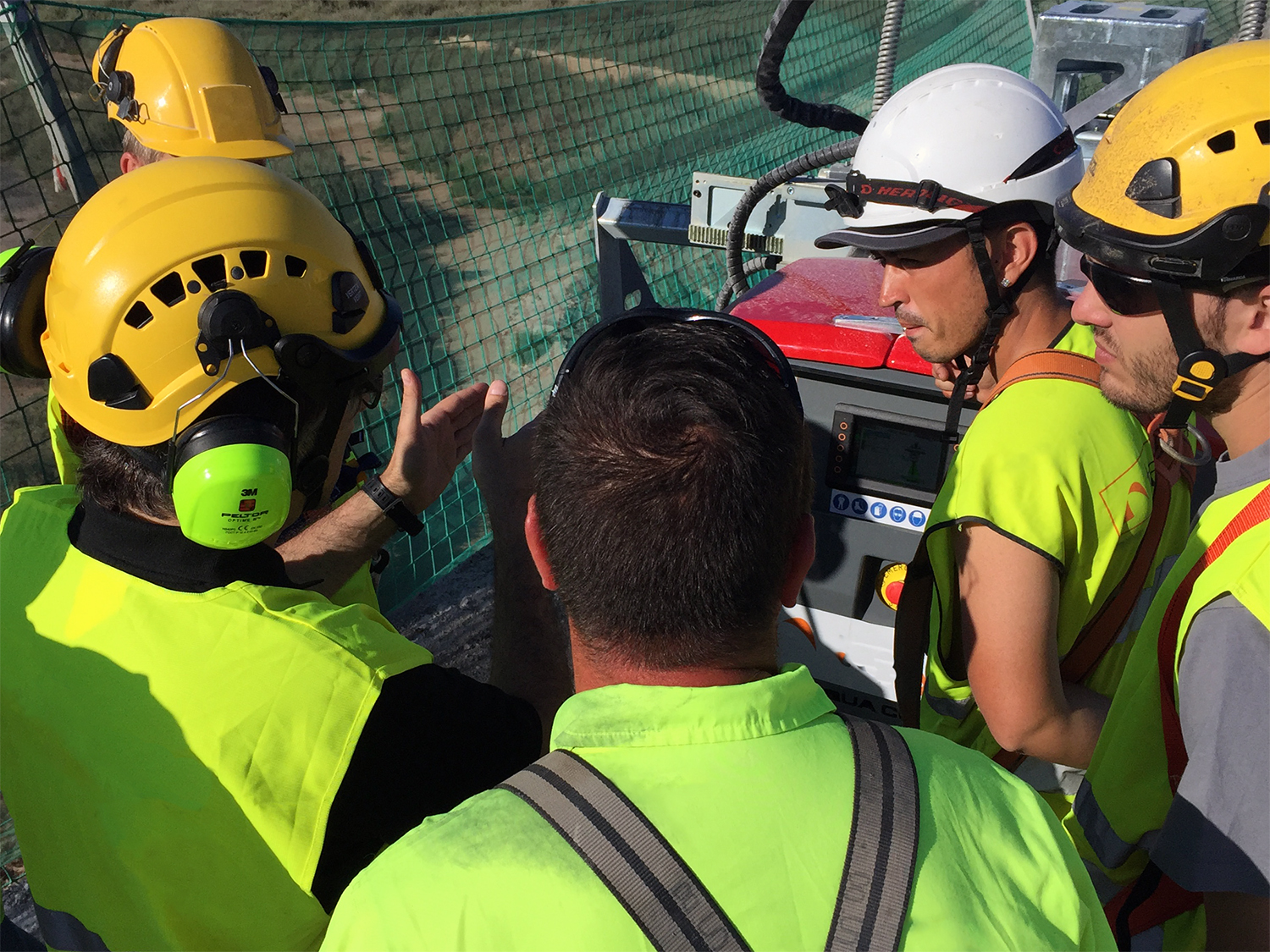
Contact us
Hydrodemolition is a proven, controlled, and reliable method for concrete removal — designed to improve both the process and the…
Contact Aquajet for specification supportHydrodemolition is a proven, controlled, and reliable method for concrete removal — designed to improve both the process and the final result.
-
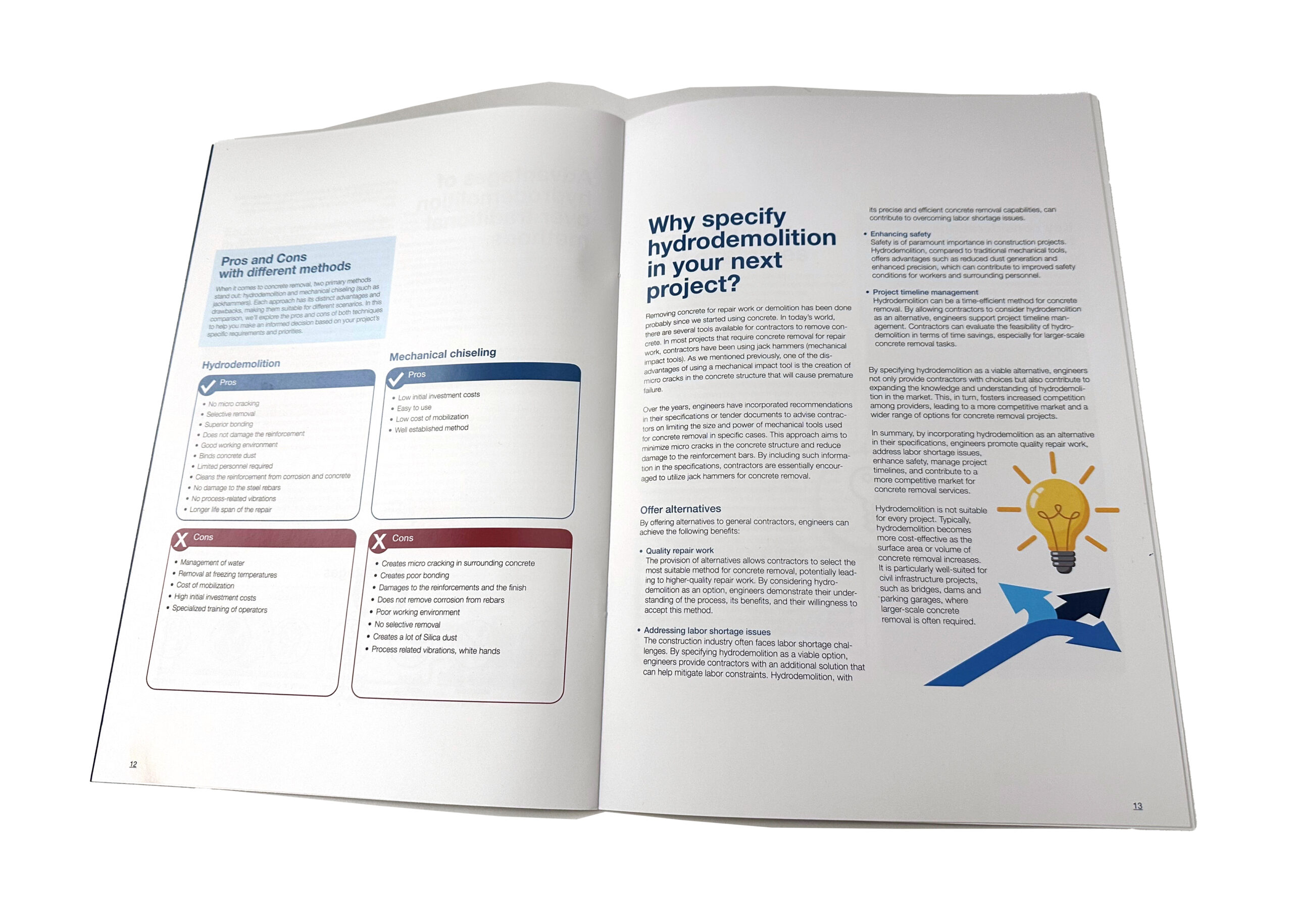
Hydrodemolition brochure
Download the hydrodemolition guide – method, applications and advantages
Download brochureDownload the hydrodemolition guide – method, applications and advantages