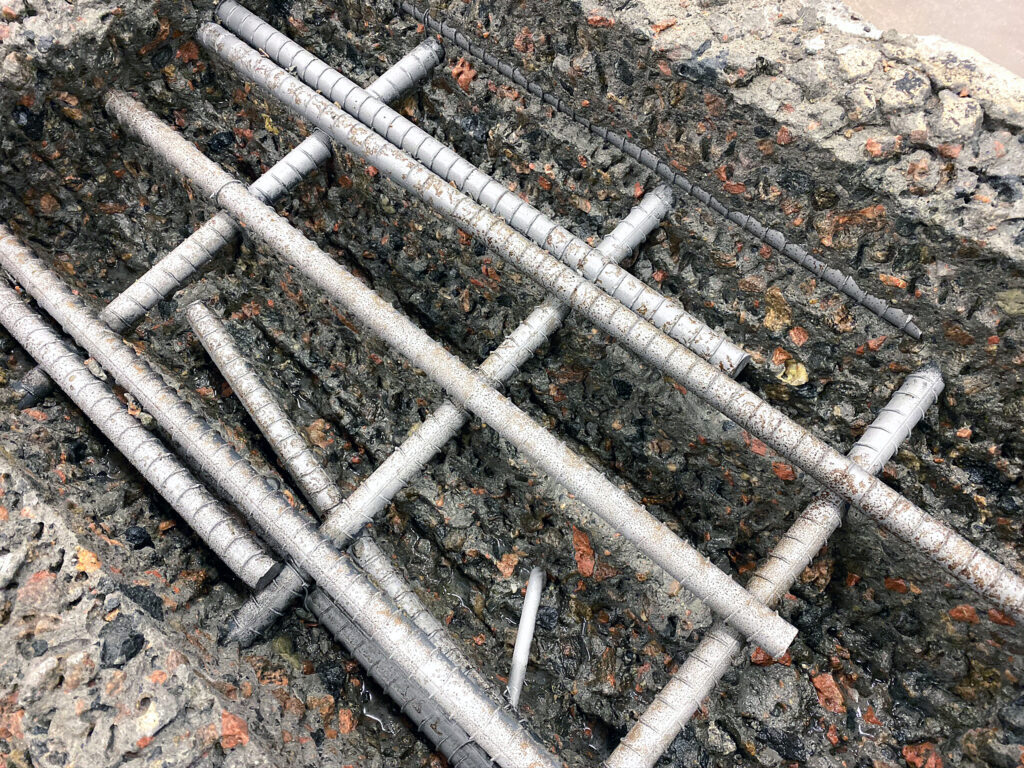
Infrastructure repair is becoming more demanding. Bridge decks, tunnels, ports and industrial structures require selective concrete removal that is precise, repeatable and structurally safe. At the same time, contractors face increasing pressure to improve productivity while maintaining the highest safety standards.
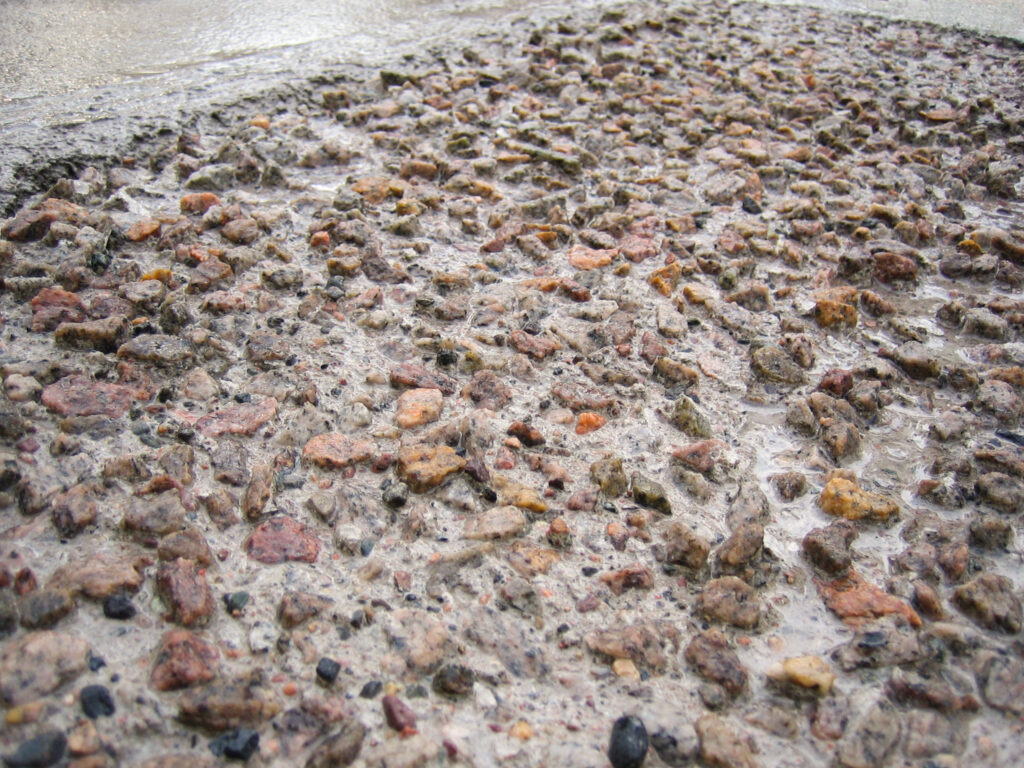
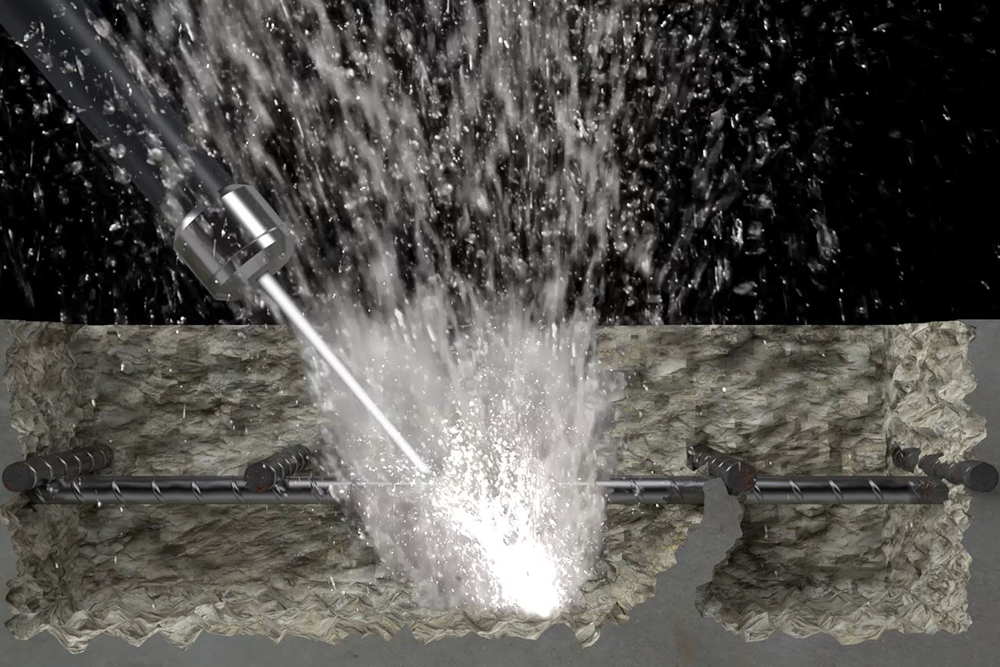
Hydrodemolition already provides a clear advantage over mechanical methods — eliminating vibration, avoiding microcracks and preserving reinforcement. But precision waterjetting alone is not enough. To fully unlock its potential, the removal process must be stable, controlled and adaptable — especially in applications where standard robotic setups are not sufficient.
That is where the Aqua Rail System 3.0 plays a central role.
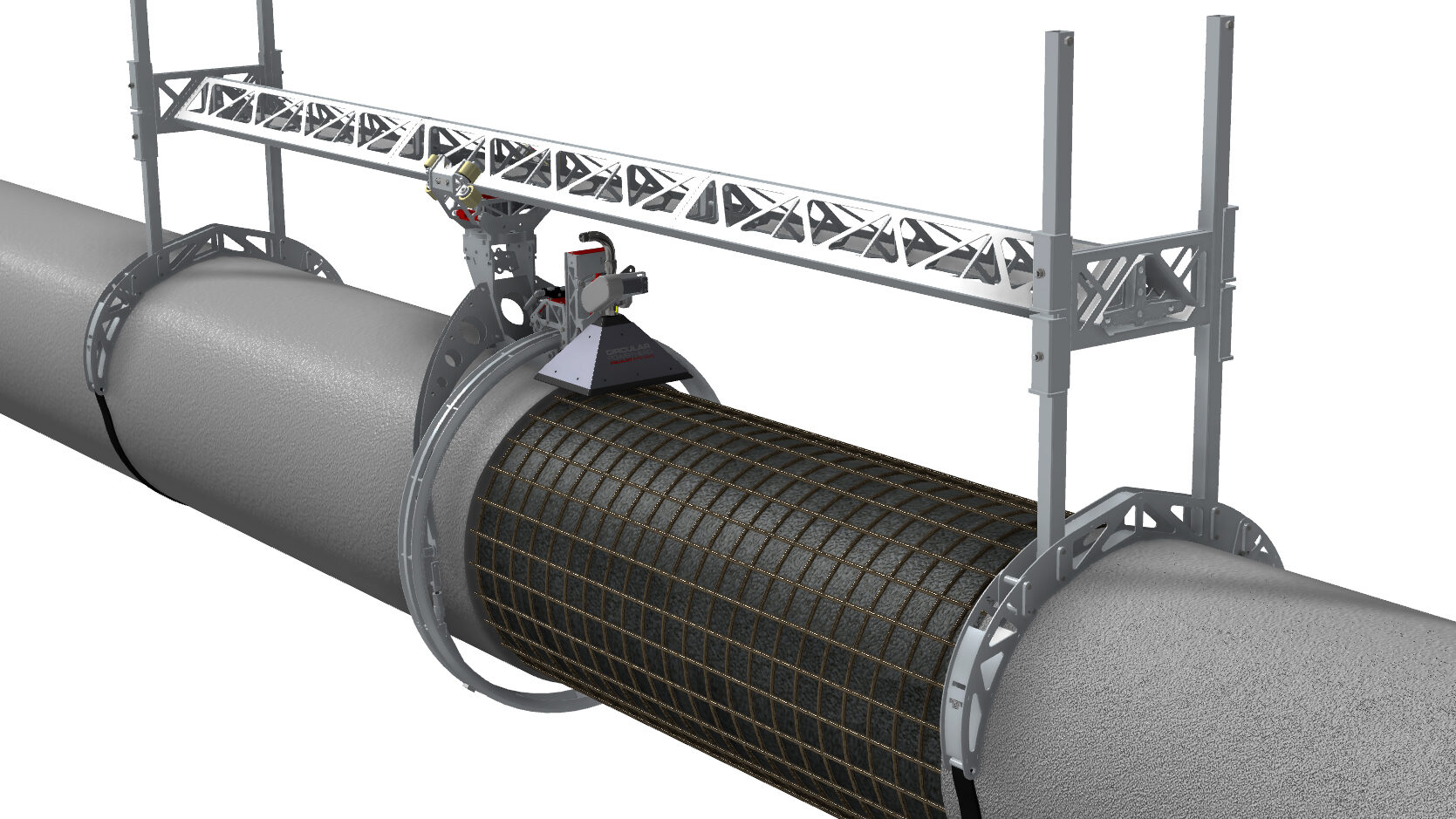
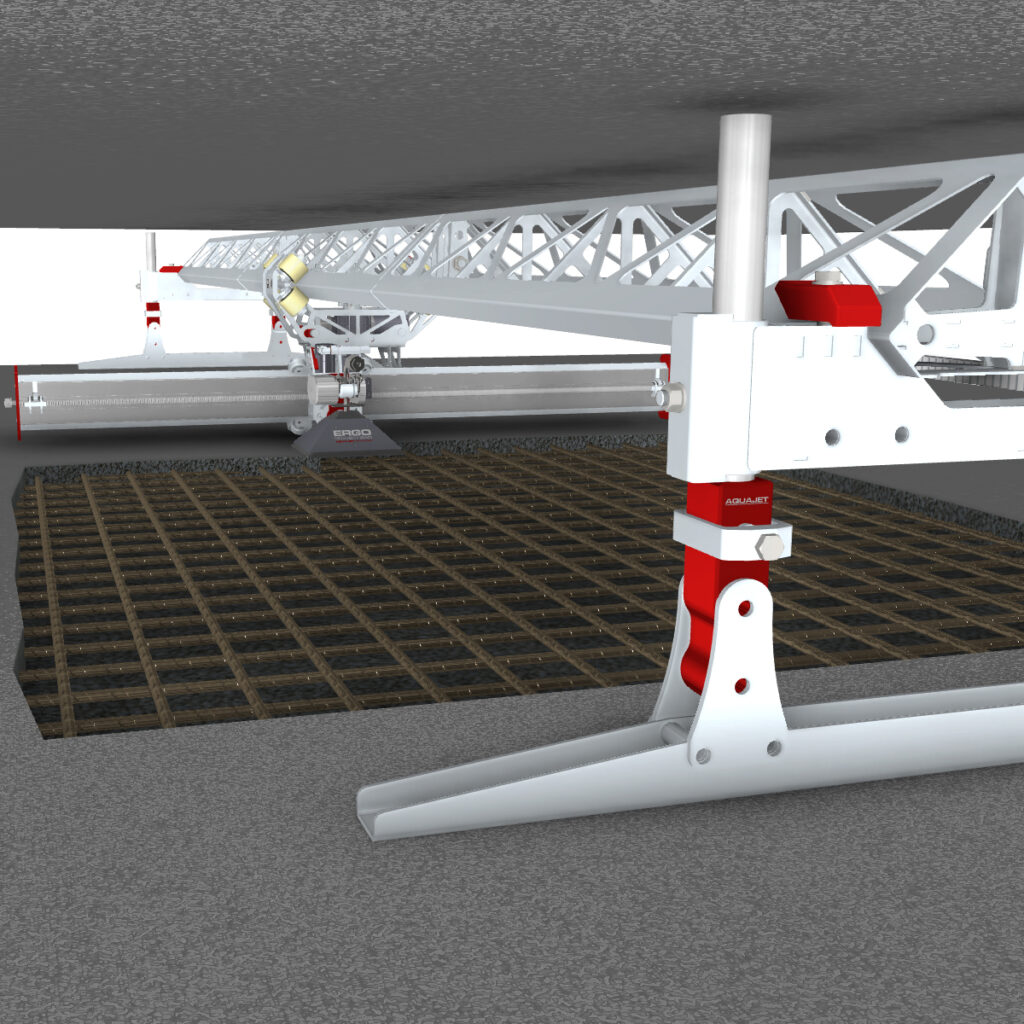
The Aqua Rail System 3.0 is designed as a configurable platform that transforms hydrodemolition into a scalable and purpose-built solution.
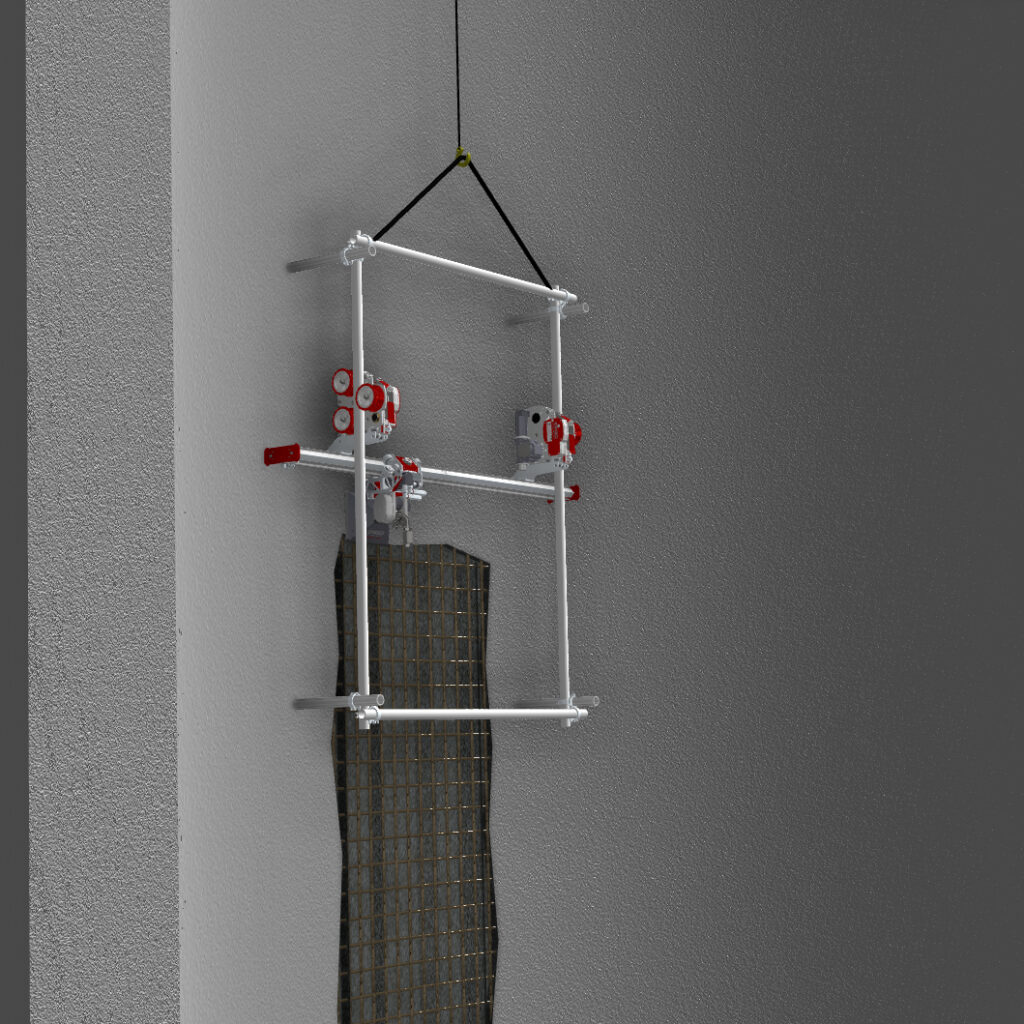
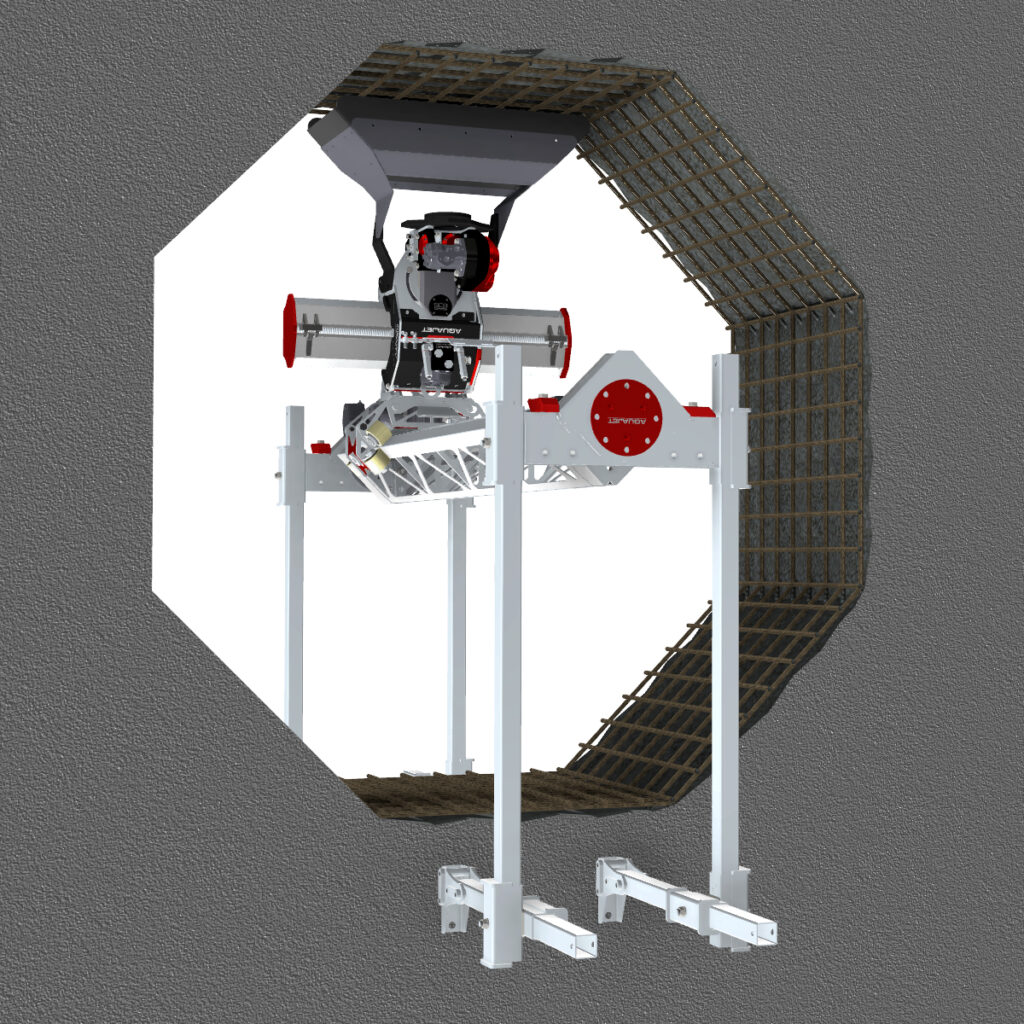
Its greatest strength lies in its ability to solve applications where a robot alone cannot operate efficiently — or cannot operate at all. Limited access, confined spaces, vertical structures, overhead work or complex geometries often require an alternative setup. The Aqua Rail System extends the reach of hydrodemolition into these challenging environments.
At its core are:
Rather than relying on custom-built temporary structures, contractors can assemble a system that fits the application. Rail sections can be extended, reconfigured and repositioned on site, reducing setup time and improving repeatability.
The result is not only flexibility — it is expanded application capability.
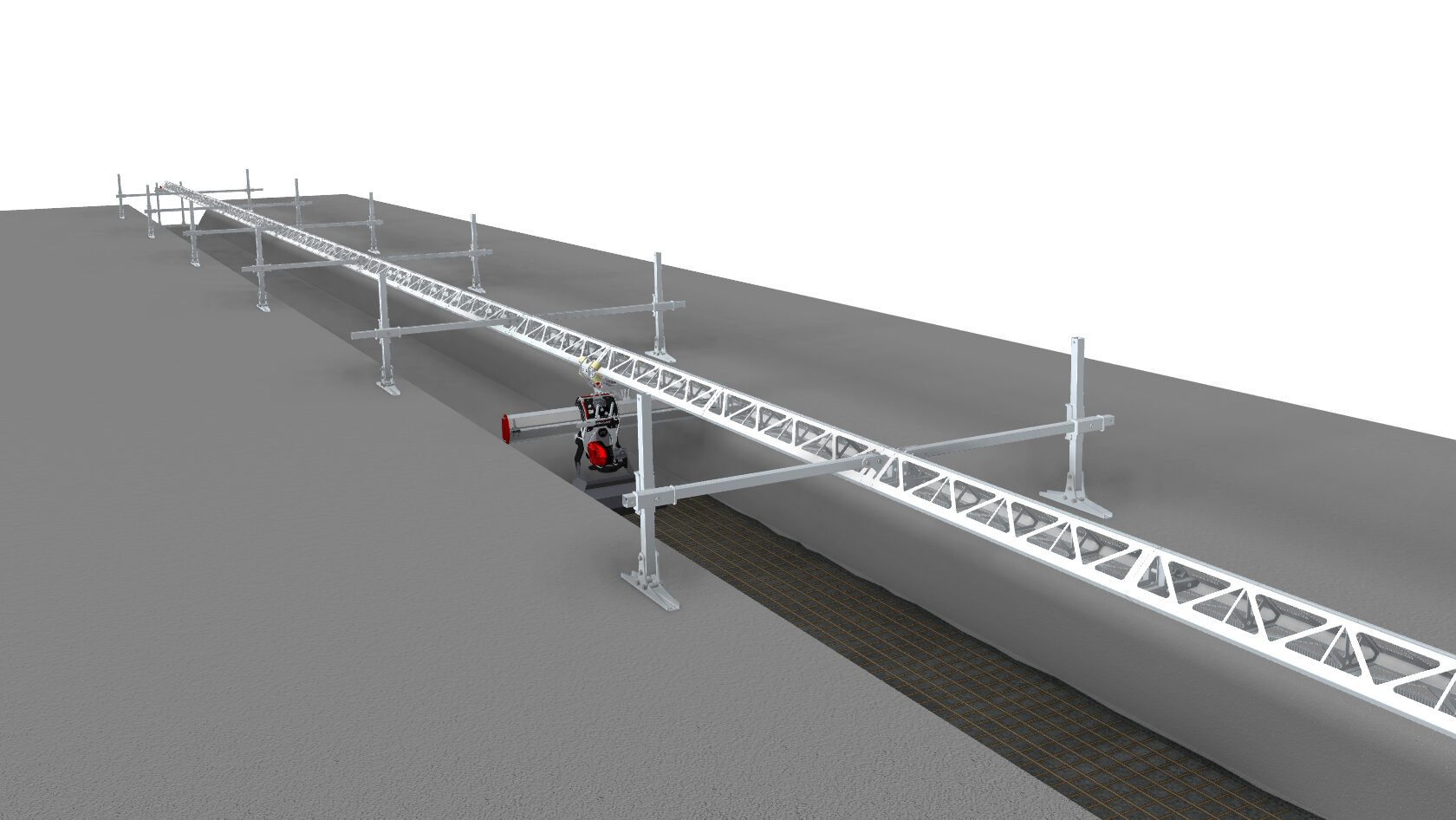
Modern rehabilitation projects rarely look the same. One day the application may involve bridge deck scarification; the next, vertical wall removal inside a tunnel or confined industrial space.
The modularity of the Aqua Rail System enables:
By complementing robotic systems rather than replacing them, the Aqua Rail System ensures that hydrodemolition remains viable even when project conditions change. For contractors working across diverse infrastructure projects, that versatility translates into long-term value.
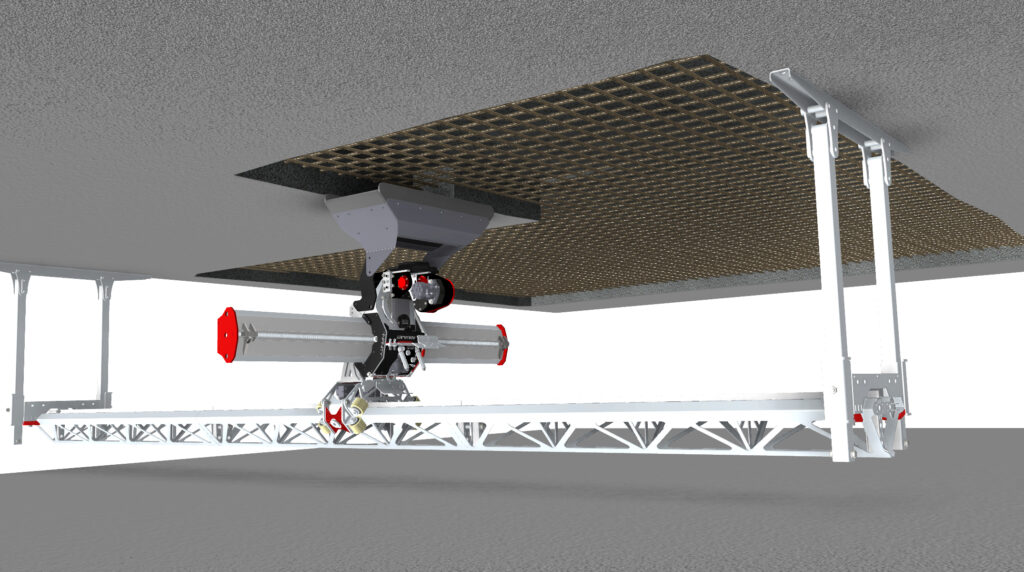
The Aqua Rail System is engineered to integrate seamlessly with Aquajet’s hydrodemolition robots, including:
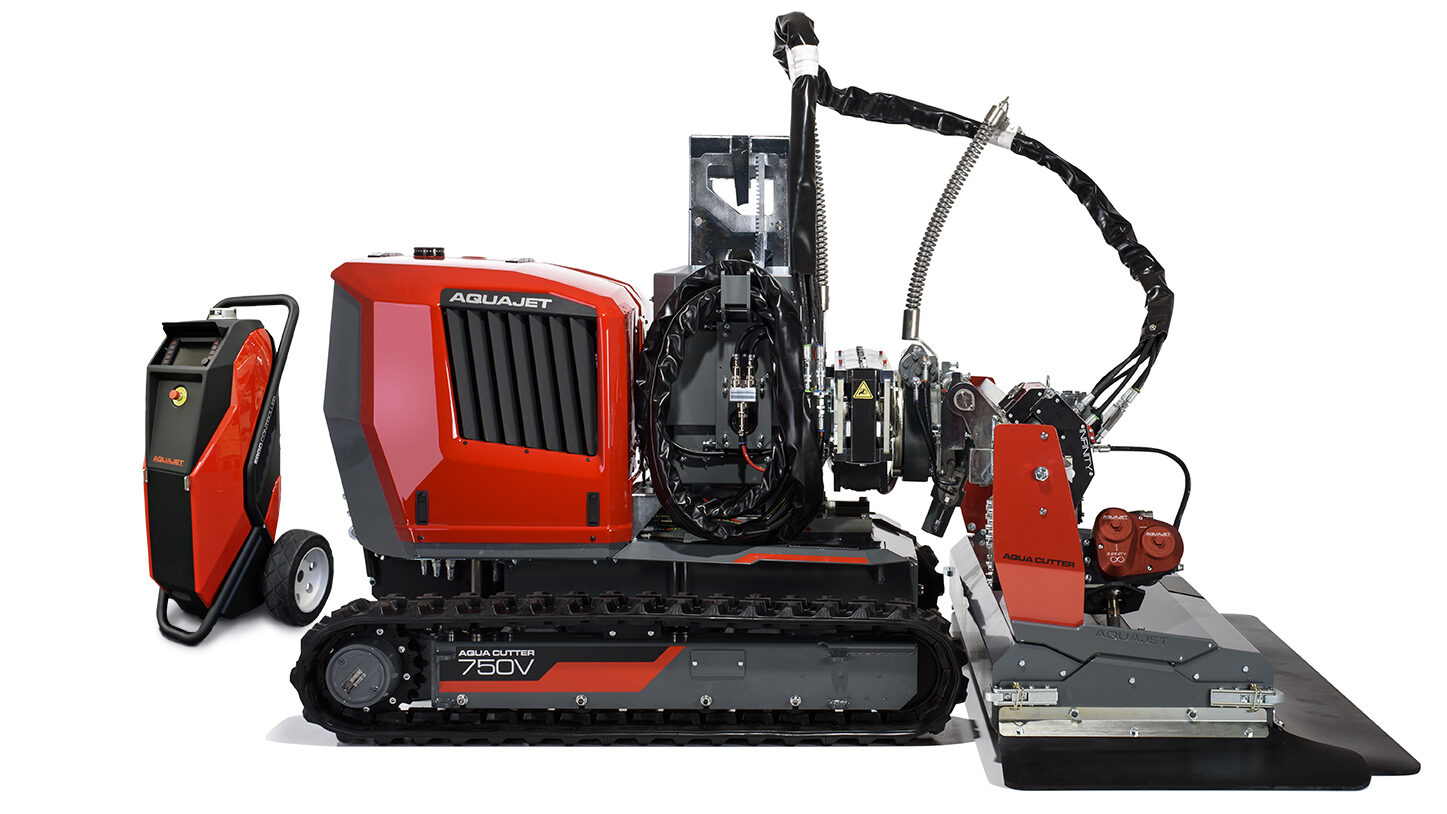
When site conditions allow, robots deliver highly productive removal. When access, geometry or structure limits robotic operation, the rail system provides a controlled alternative. Together, they create a complete and adaptable hydrodemolition solution.
Because the components are designed within the same engineering framework, installation is straightforward and performance is predictable. Movement patterns, oscillation settings and positioning remain stable across configurations.
When equipment is designed to function as one coordinated system, precision becomes repeatable — and repeatability drives quality.
The system approach also ensures compatibility with high-pressure pump units and water treatment solutions, supporting a fully integrated hydrodemolition setup.
Hydrodemolition already offers significant structural advantages:
The Aqua Rail System strengthens these advantages by ensuring stability and control in applications where manual handling or improvised setups would otherwise be necessary. By maintaining consistent positioning and movement, it reduces operator strain while delivering accurate and predictable removal depth — even in challenging or hard-to-reach areas.
Investment decisions in infrastructure repair are increasingly based on lifecycle cost, not just equipment price.
The modular nature of the Aqua Rail System allows contractors to:
Instead of being limited by access or geometry, contractors gain a system that adapts to the structure. One modular system can serve a wide range of applications, extending its operational value over time.
Concrete removal is no longer simply about breaking material. It is about controlled removal, preservation of structural integrity and preparing surfaces for durable repair.
By combining robotic hydrodemolition with modular rail technology, the Aqua Rail System 3.0 ensures that hydrodemolition remains effective — even when standard machine setups are not sufficient.
Precision is important. Control is essential.
But true performance comes from systems designed to work together.